1922 Georgian Technical University

About the Faculty

The Georgia We Built

100+ Year History
150 000+ Specialist
8 Department
30+ Scientific grant (5 years)
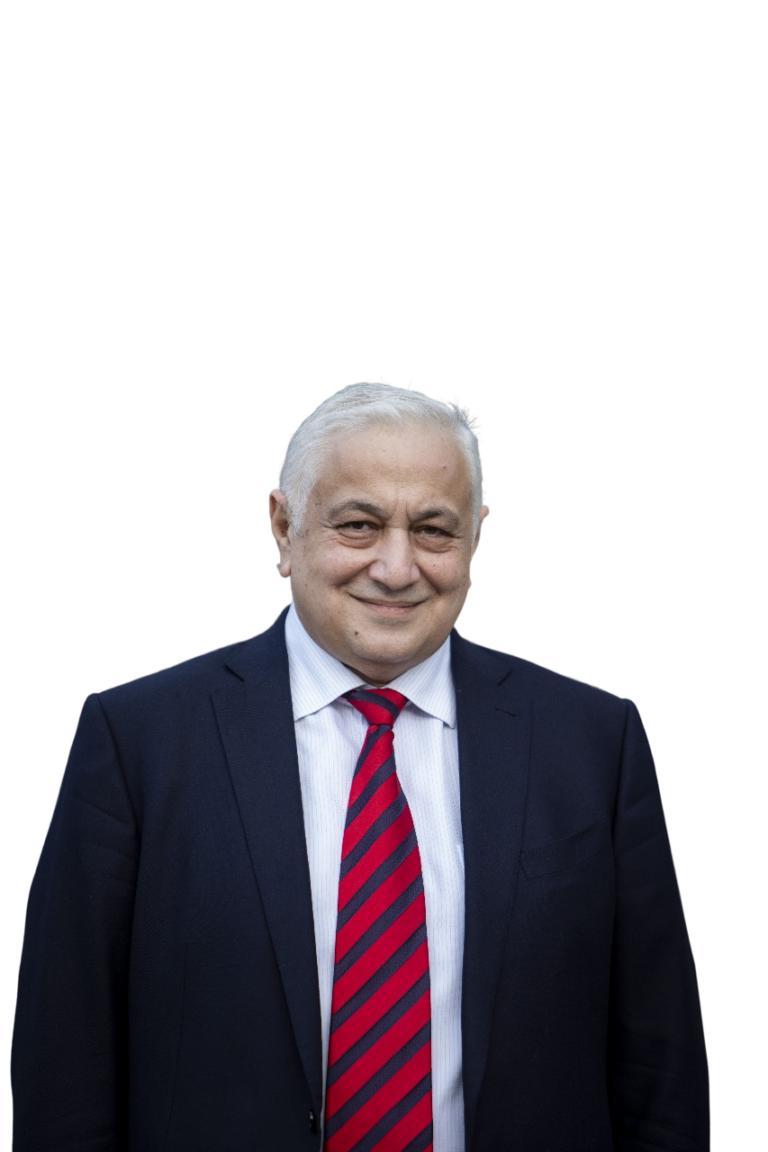
Academician David Gurgenidze, Rector

"Georgia has been built by our graduates."

Academician David Gurgenidze, Rector
Strabo
1st century BC Strabo Greek historian and geographer

Georgian Construction Techniques in Historical Sources

The tradition of Georgian construction knowledge and professionalism dates back to the distant past. Georgians have had excellent architectural knowledge since ancient times.
Even the ancient Greek historian and geographer Strabo described buildings covered with tiles:

"Iberia is, for the most part, well-populated with both cities and towns... there are tiled roofs, architecturally designed houses, marketplaces, and other public institutions."

The Georgia We Built

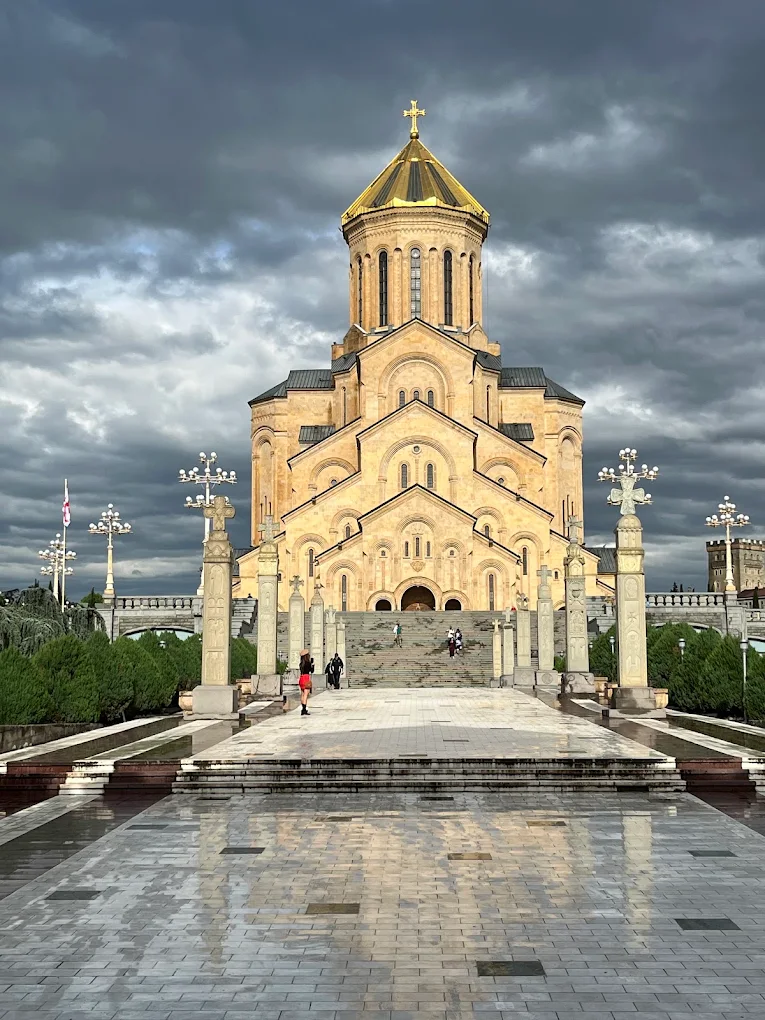
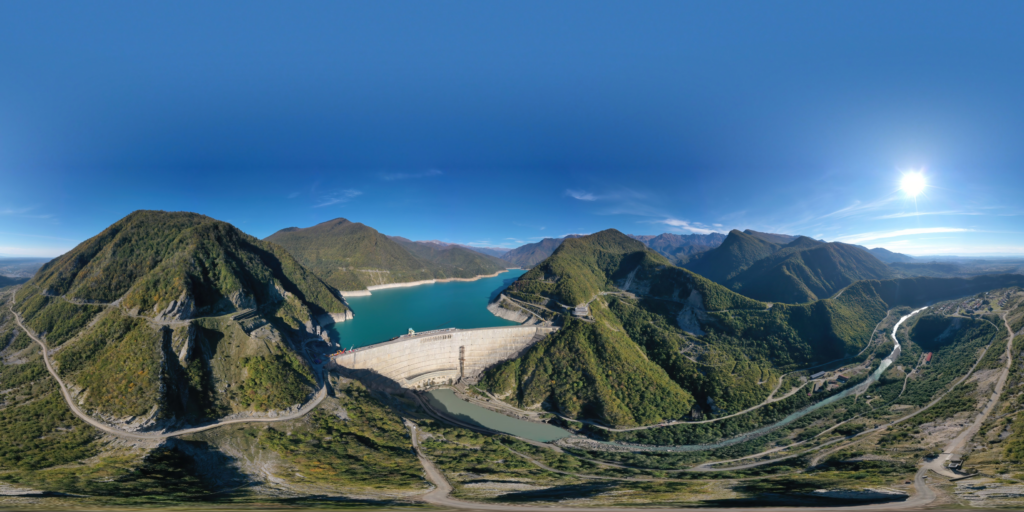
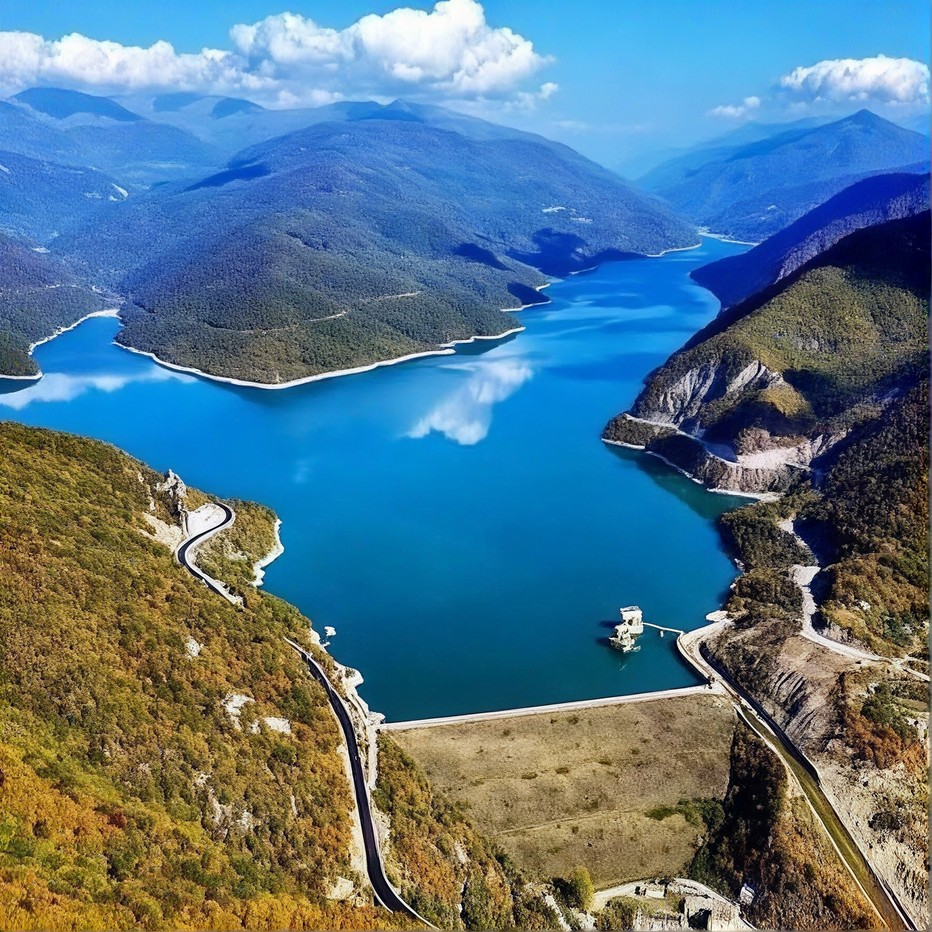
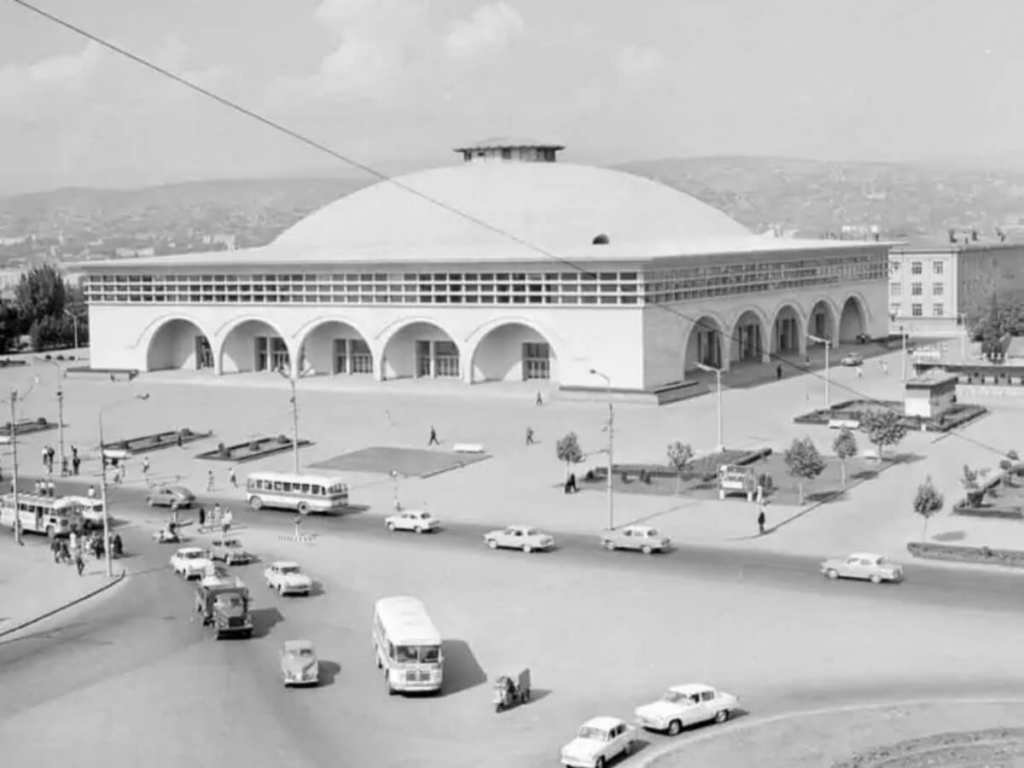
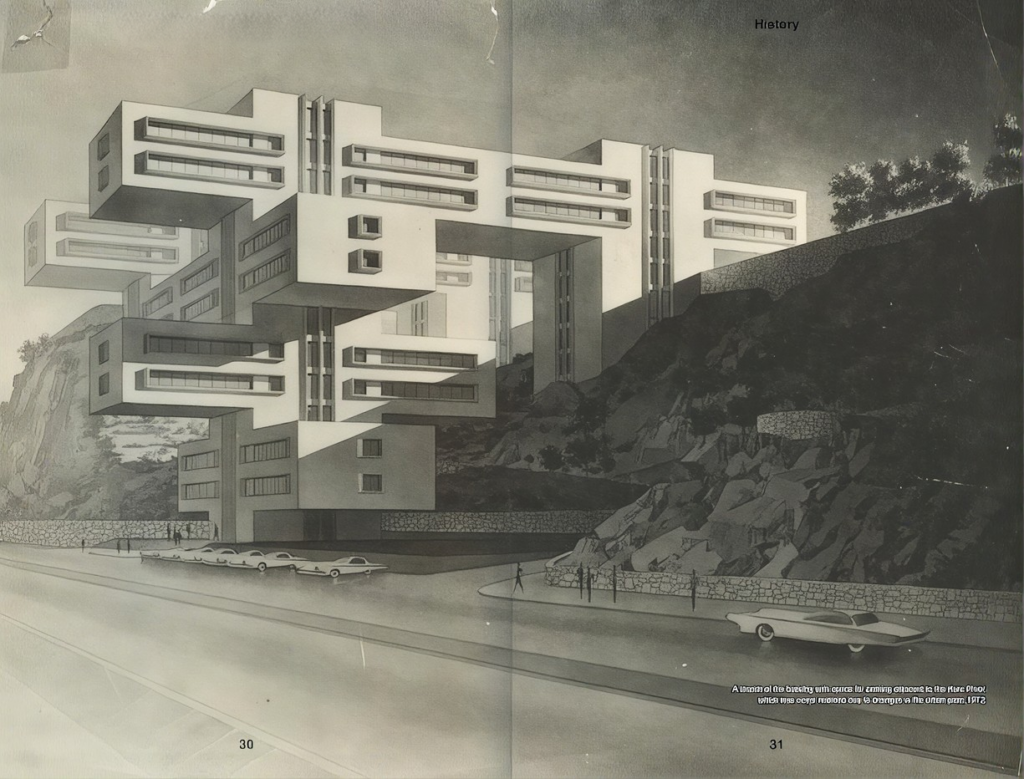
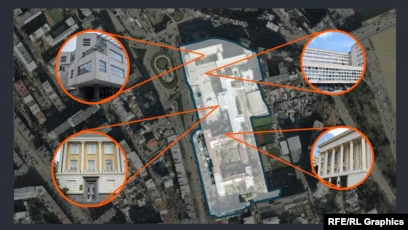
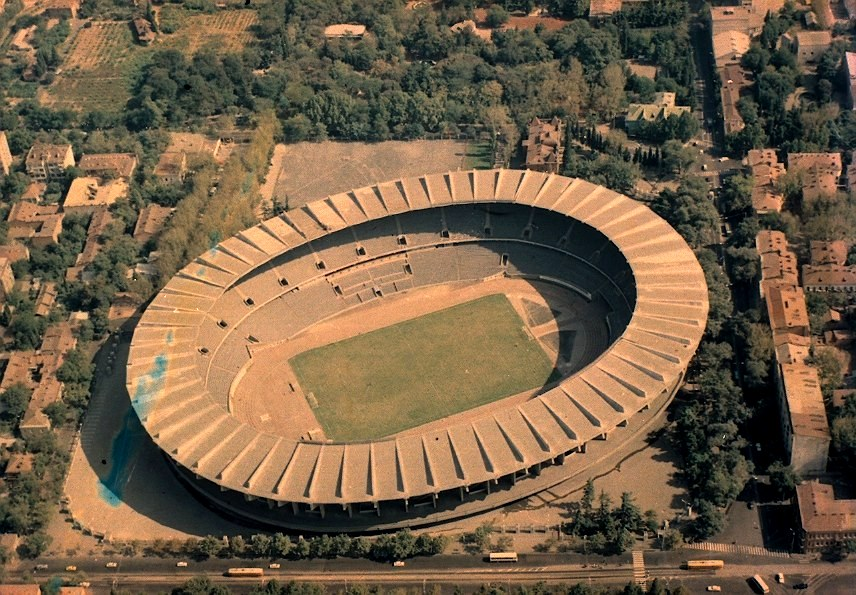
The Holy Trinity Cathedral, the Enguri Hydroelectric Power Plant, the Zhinval Hydroelectric Power Plant, the Sports Palace, the head office of the Bank of Georgia, the buildings of the Technical University, the Dinamo Arena, the Heroes’ Square overpass, the road and railway infrastructure of Georgia, the main East-West Georgia highway and many other important objects – what our nation is rightly proud of today is the merit of Georgian builders and engineers, that is, primarily, the professors and graduates of the Faculty of Construction of the Georgian Polytechnic Institute. That is why the rector of our university, Academician David Gurgenidze, rightly notes – Georgia is built by our graduates.

Holy Trinity Cathedral
Engurhesi
Engurhesi
Zhinvali HPP
Zhinvali HPP
Sports Palace
Sports Palace
Bank of Georgia Head Office
Technical University Buildings
Dinamo Arena
Dinamo Arena

History

The education of generations of construction engineers at the Faculty of Construction has a history spanning more than a century.

1922

Opening of the Polytechnic Faculty

On January 16, 1922, the first session of the Polytechnic Faculty was held, led by the initiator of the establishment of the faculty, Professor Ivane Javakhishvili. At the meeting, Professor A. Didebulidze was elected the first dean, and Iv. Tulashvili was elected secretary (deputy). The faculty consisted of three departments: construction, electromechanical and mining. There were three specialties in the construction department: architecture, road and hydrotechnical. The faculty began its operation in February and at that time 40 students were enrolled. Teaching was required in Georgian, but the majority of lecturers had received education in a foreign language and scientific terminology did not exist, therefore, with the participation of N. Nikoladze and others, the work “Technical Terminology” was published.

Notable Alumni

Throughout its existence, the Faculty of Construction has trained more than 150,000 specialists through its full-time (day), evening, and correspondence study programs.

Full name Short description of the graduate

The Faculty of Civil Engineering of the Georgian Technical University (formerly the Georgian Technical University) has educated many prominent engineers, architects and scientists. Graduates of the Faculty successfully and fruitfully work both in Georgia and abroad, in leading construction, design and infrastructure companies. Graduates of the Faculty of Civil Engineering have designed and built numerous civil, industrial, communal residential buildings and structures, hydrotechnical and transport facilities in many foreign countries.

Educational Programs

The faculty offers educational programs delivered by highly qualified academic staff:

Highly qualified academic staff

The high qualification of the academic staff, doctoral and master’s students of the Faculty of Civil Engineering is confirmed by the nearly 30 scientific grants obtained over the past 5 years. The professors of the faculty also actively participate in the development of Georgian technical terminology.

See more details

✓ Full accreditation from the LEPL "National Accreditation Center"

The faculty’s scientific, expert testing laboratory, educational and scientific bridge testing center, and construction and structures research centers have been granted accreditation by the LEPL “Unified National Accreditation Center for Accreditation” and issue examination protocols and expert opinions.

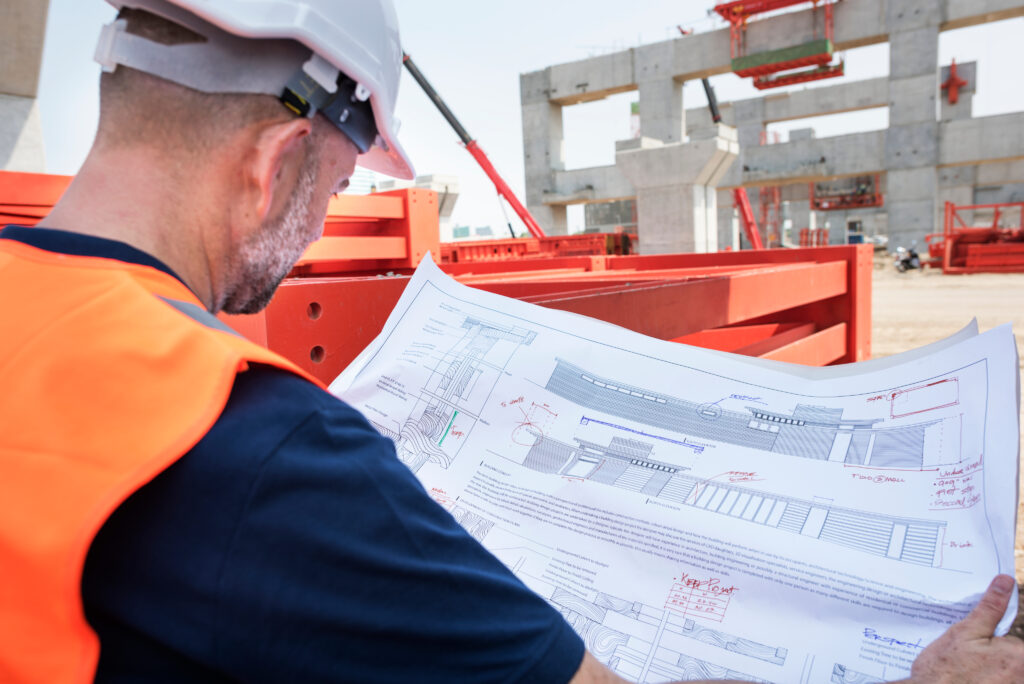
The Educational, Scientific, Diagnostic and Expertise Center for Construction, Road, Crane-Transport and Rail Vehicles is important, where construction equipment of existing and new models is designed, modernized and expertized, as well as training mechanics and crane operators by issuing relevant certificates.

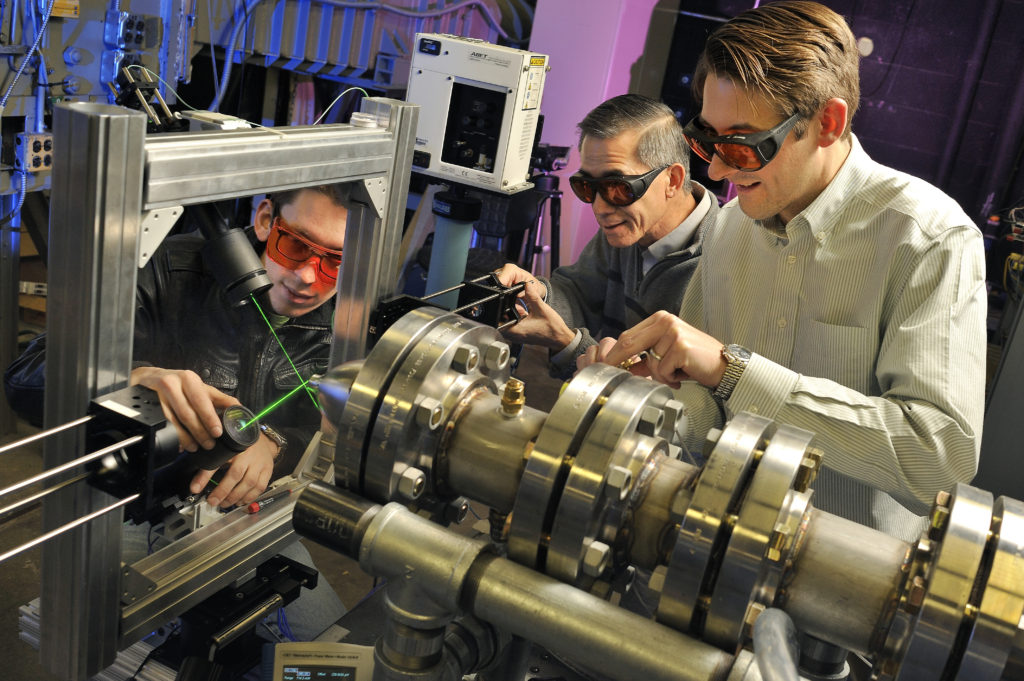
The Polygraphic Interferometry Training and Research Laboratory serves to study and consolidate the processes of concrete shrinkage and crack resistance at the early stages and to study the deformation properties of concretes of various compositions. Its equipment is financed by the Austrian Bank.
The Aleksi Gorgidze Training Laboratories of Hydrotechnical and Building Structures, and the Tsotne Mirtskhulavava Water Management Sectoral Scientific and Research Institute make a great contribution to the successes of the Faculty of Civil Engineering.

International Experience of the Faculty of Construction

The implementation of international standards and close ties with foreign institutions are the main priorities of the faculty’s development.
The international integration of the faculty includes several important aspects:

Visiting Professors and Dual Degrees

Within the framework of joint or English-language programs, foreign professors are periodically invited to conduct specialized courses or master classes for students. The faculty has awarded honorary professorships to renowned scientists from various countries (for example, Germany, Poland, Lithuania) who are involved in consulting and lecturing in the educational process.

Erasmus+ Academic Mobility

The Faculty of Civil Engineering regularly hosts lecturers from partner European universities. This process is two-way: Georgian lecturers go to Europe, while foreign colleagues come to Tbilisi and give intensive lecture courses for several weeks (especially in the areas of construction management, seismic resistance, and modern construction materials).

International Conferences and Workshops

Faculty professors regularly participate in international scientific-practical conferences and seminars covering current issues in construction, architecture, seismic resistance, hydroengineering, and construction economics. Open international scientific conferences for students are also held, where young researchers are given the opportunity to present their research.

European Council of Civil Engineers

The faculty is actively integrated into leading European professional associations. The faculty’s membership and partnership with European civil engineering organizations (for example, ECCE – European Council of Civil Engineers) provides students and academic staff with access to modern European standards (Eurocodes) in the field of engineering.
Participation in NATO grant projects

Faculty professors, teaching staff, and researchers regularly participate in NATO’s “Science for Peace and Security” grant programs. These grants enable the faculty to acquire state-of-the-art laboratory equipment and involve young scientists in international security research.

GTU in International Scientific Journals

Works by the academic staff of the Faculty of Civil Engineering are regularly published in high-impact, international, peer-reviewed journals indexed in the Scopus and Web of Science global databases.

A Historical Experiment at the Faculty of Construction (1999)

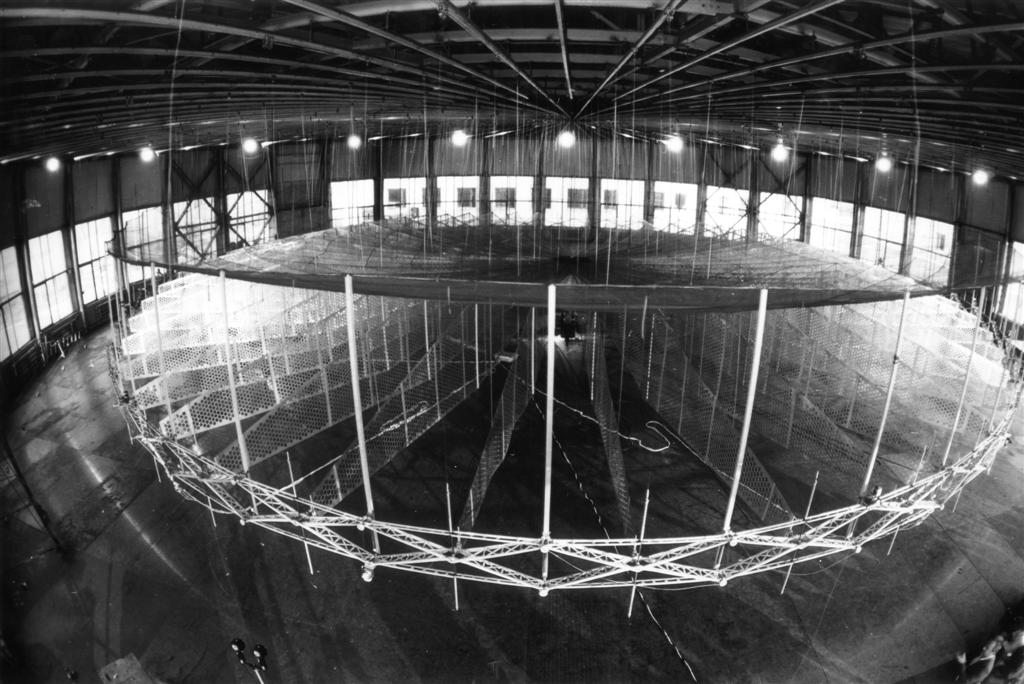
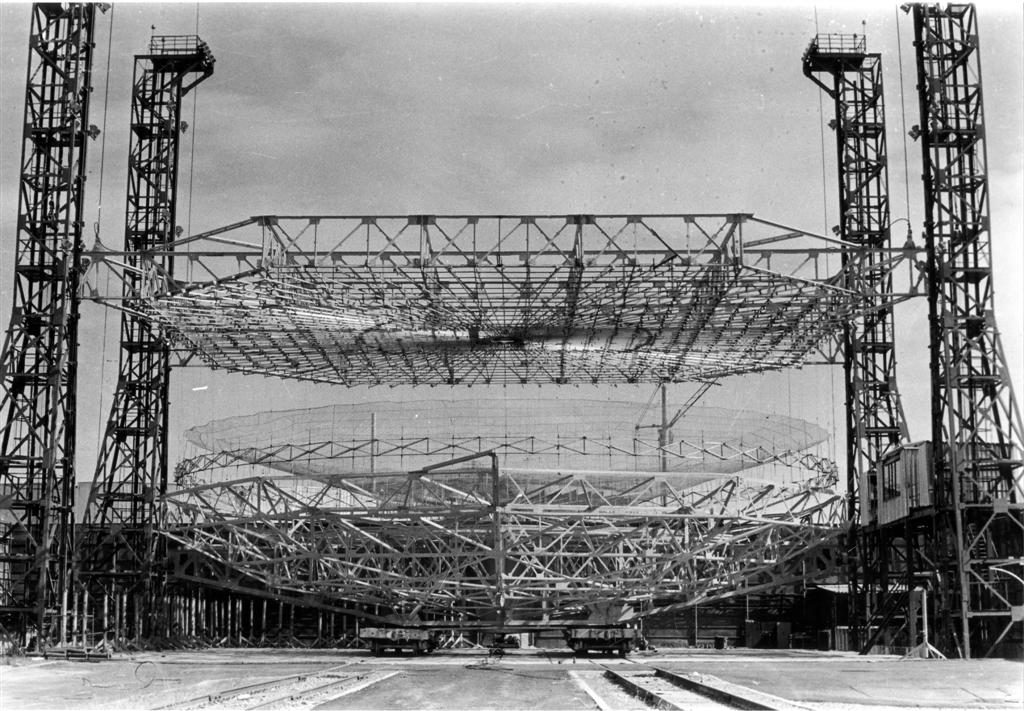
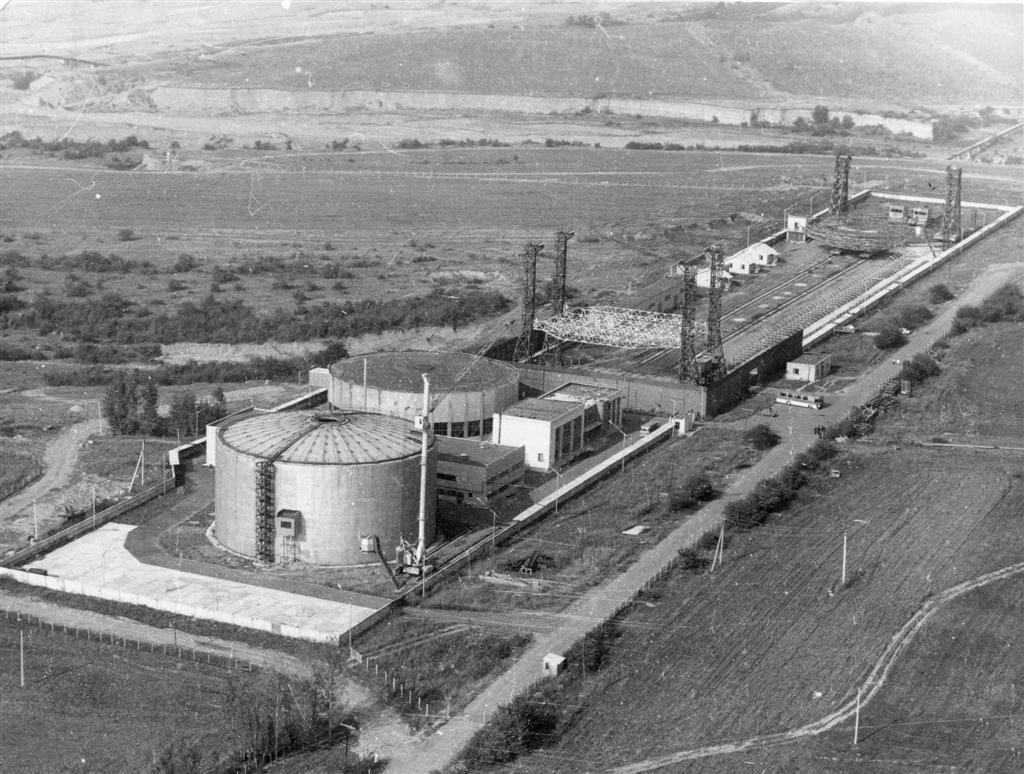
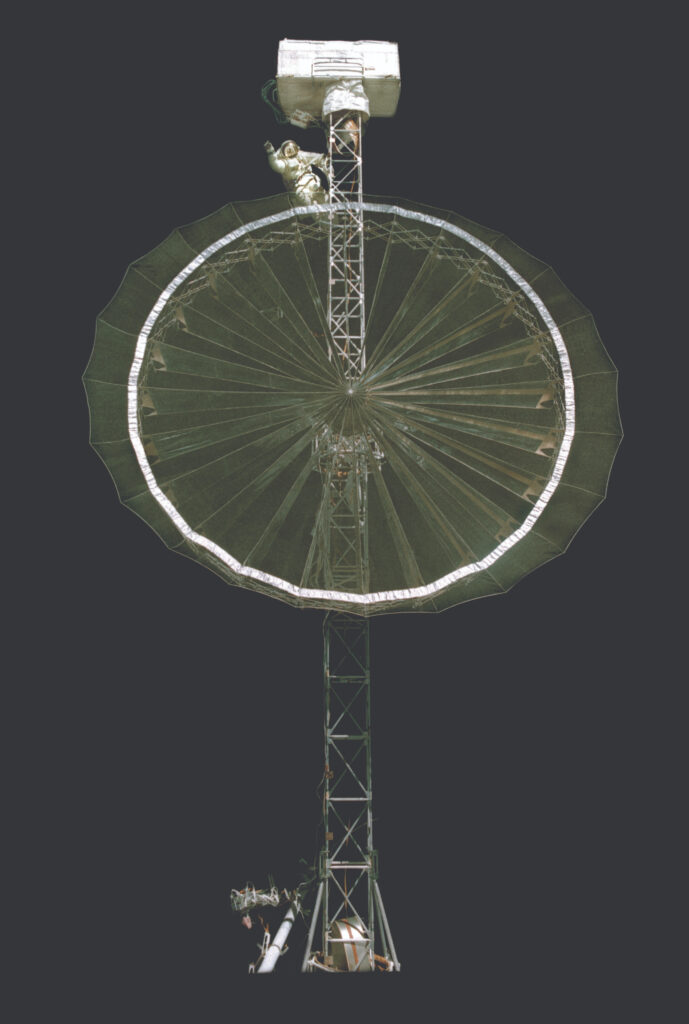
The First Georgian Space Object

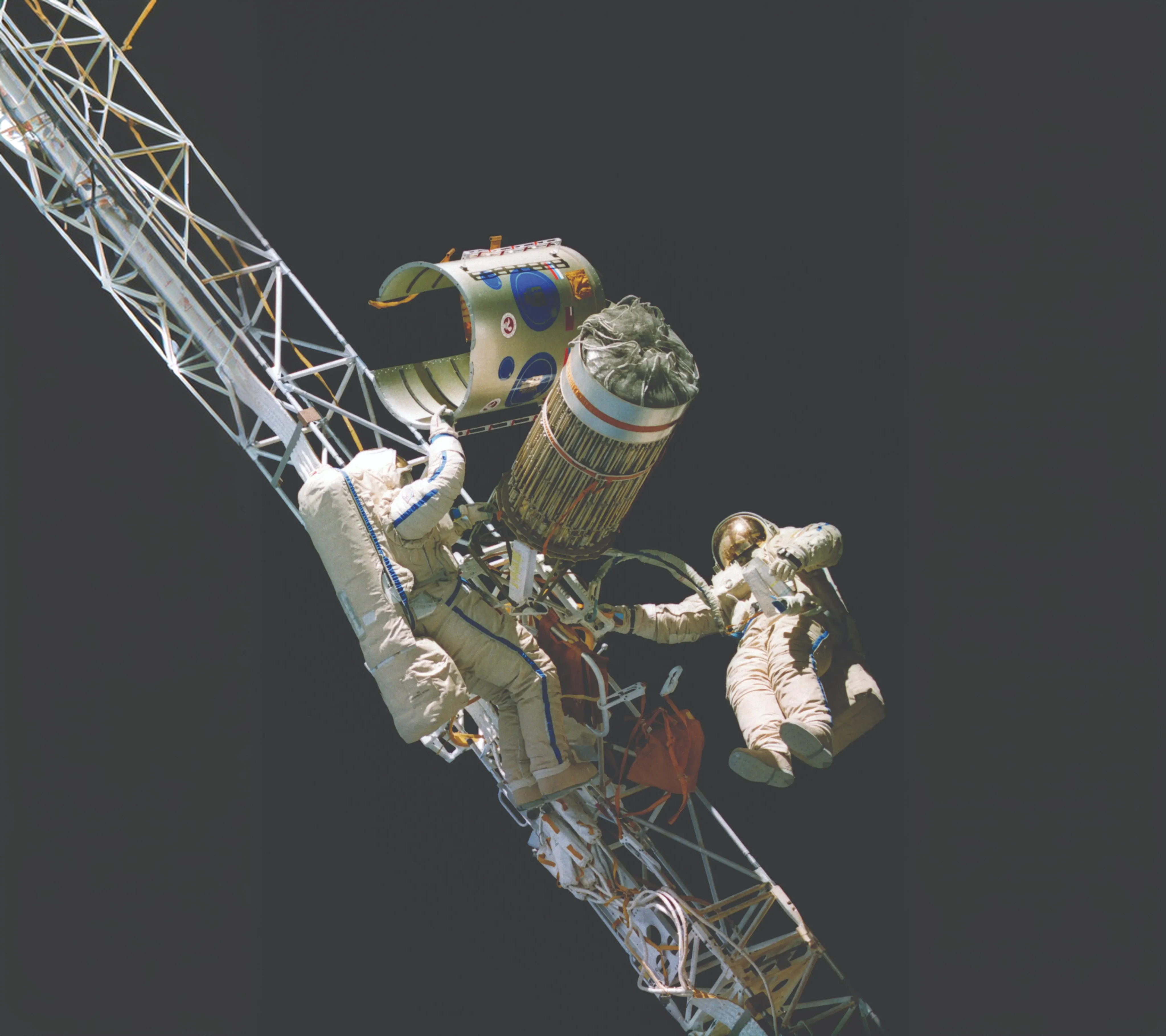
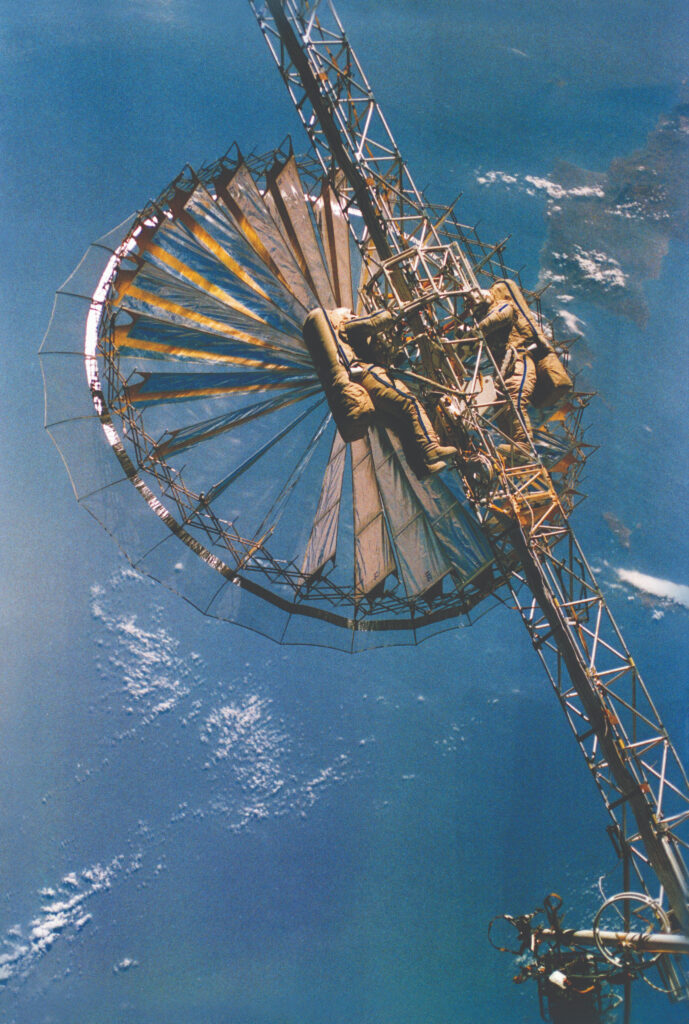
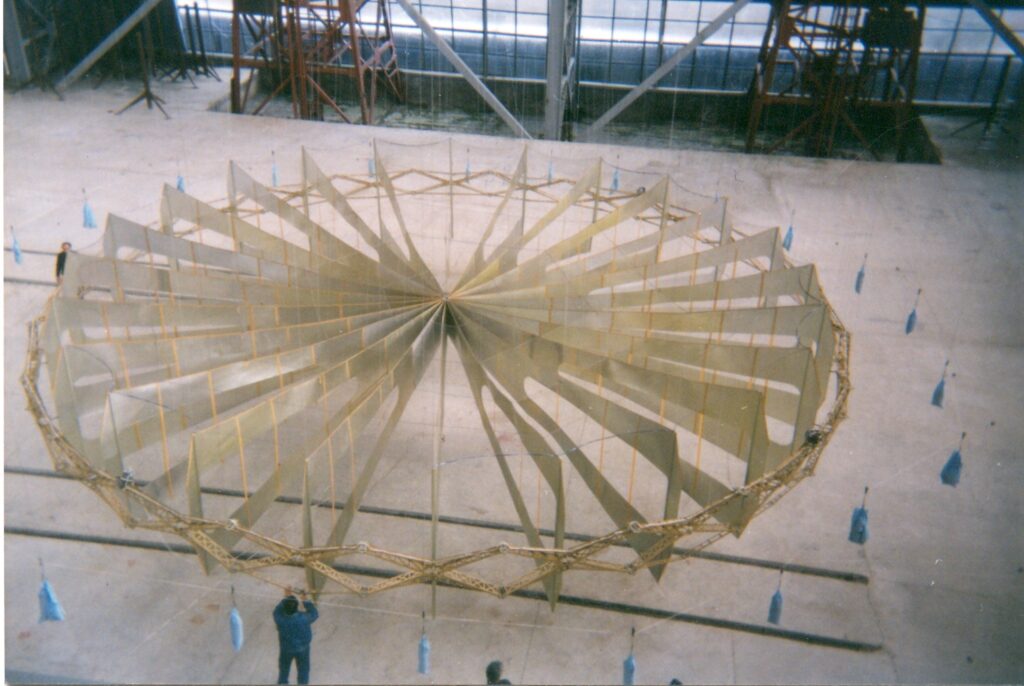
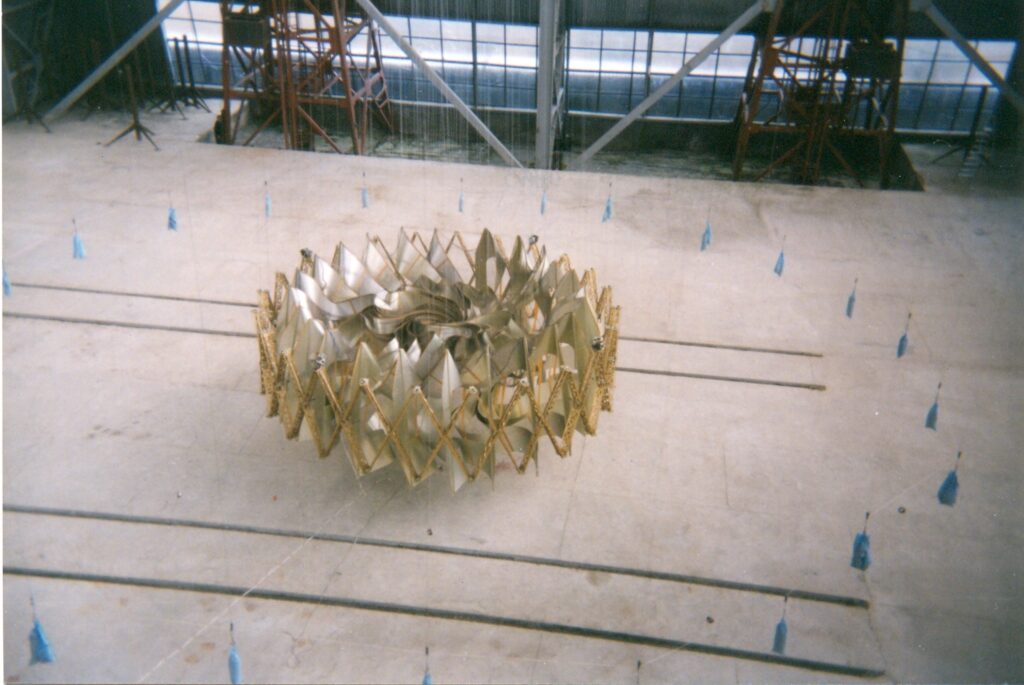
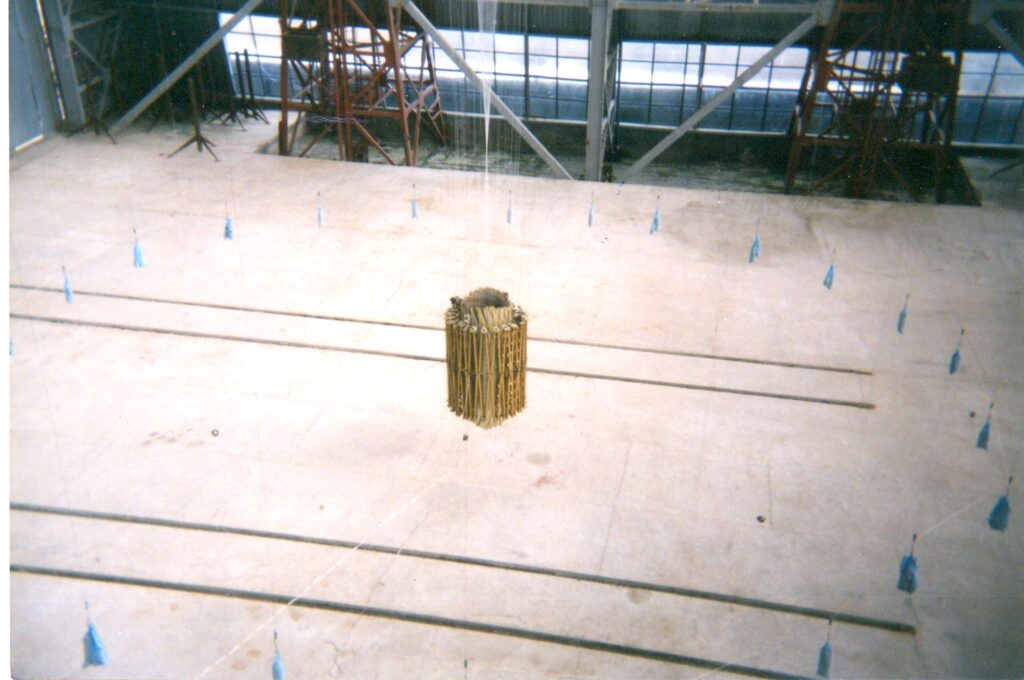
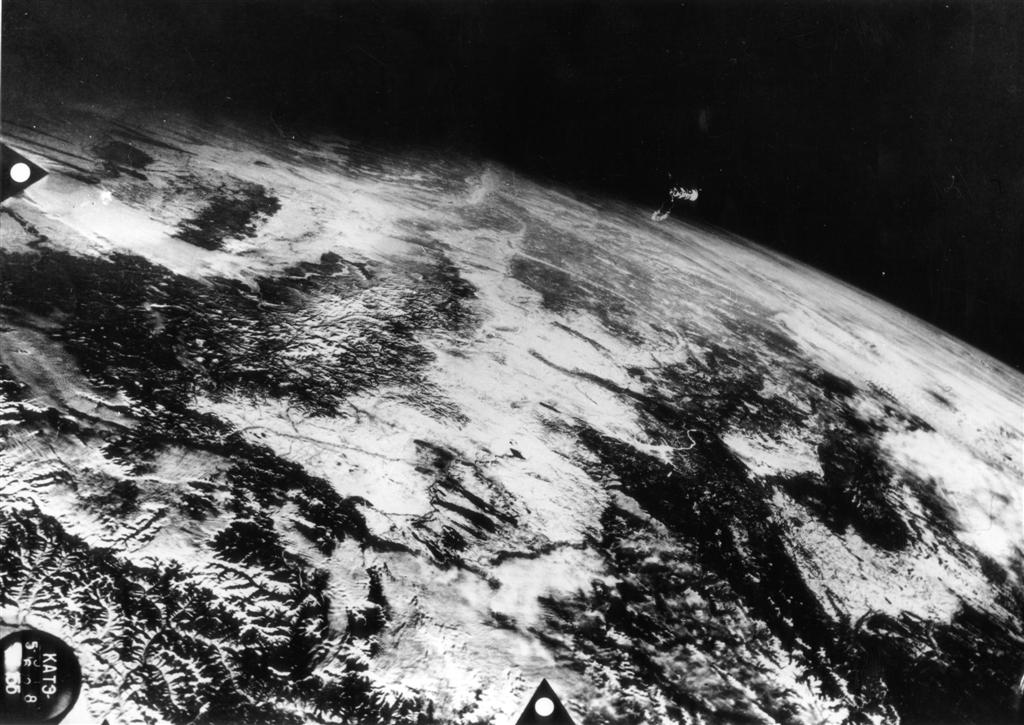
On July 23, 1999, the first Georgian space object — a deployable space reflector — was successfully launched into outer space (on the Mir orbital station). This date is included in the list of the most important chronicles of world cosmonautics.

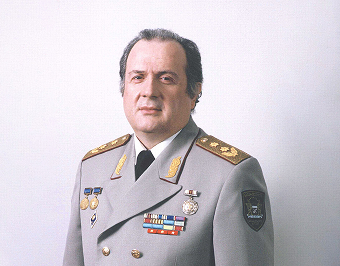
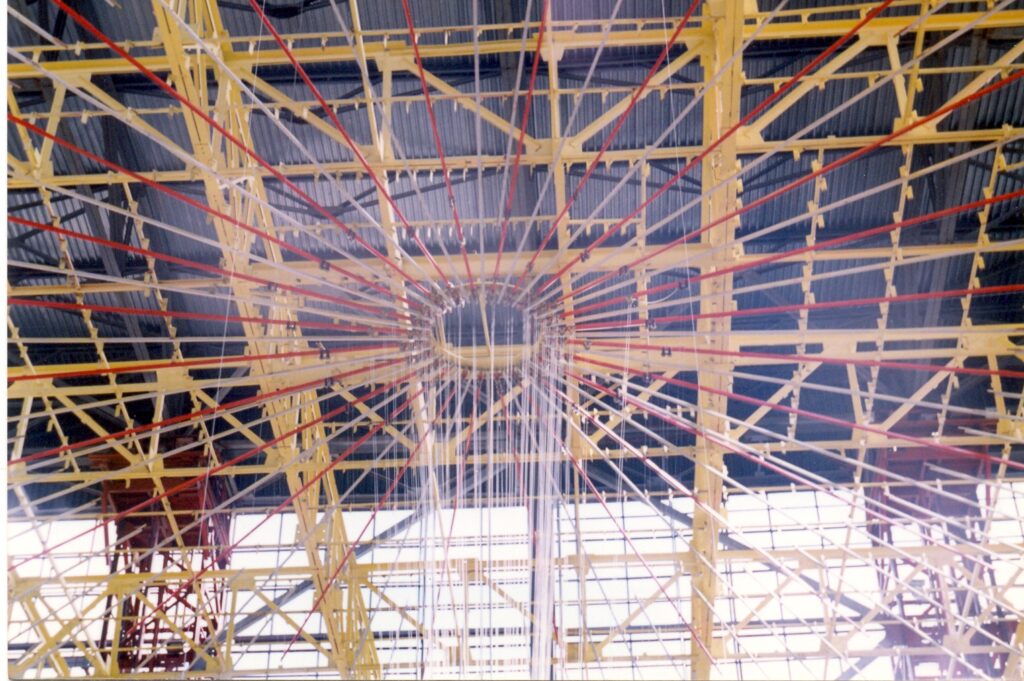
On July 23, 1999, the first Georgian space object — a deployable space reflector, created by the Institute of Space Structures of the Georgian State Technical University under the leadership of Academician Major General Elguja Medzmariashvili — successfully launched into outer space.
July 23, 1999 is included in the list of the most important chronicles of world cosmonautics, and every year on July 23, Georgia celebrates the Day of the First Georgian Space Object.

July 23, 1999 — Deployment of a reflector on the Mir orbital station and verification of technical parameters

Financial Support

Georgian Technical University offers several types of scholarships for students:

State Academic Scholarship

This is the most common scholarship.

  • Intended for undergraduate students in their 1st–4th years;
  • Awarded based on high academic achievement;
  • The ranking threshold changes annually;
  • Scholarship recipients are selected by the faculty’s competition committee;

Quantity: 300 GEL per month.

Scholarships from International and Partner Organizations

The Faculty of Construction regularly publishes information about various international scholarship competitions, for example:

  • Erasmus+ exchange programs;
  • Turkish Government scholarships;
  • Japanese (MEXT) scholarships;
  • Estonian Government scholarship programs;
  • Competitions from other international universities and organizations.

Faculty (Named) Scholarships

A program of named scholarships is also in place at the Faculty of Construction, though the list may be updated each year.

  • High academic achievement (typically an average score of over 91%);
  • Active participation in scientific conferences, workshops and training sessions, and university activities.

It is possible to receive a named scholarship alongside a state scholarship, provided the student meets the requirements for both competitions.

Industrial/Corporate Scholarships

From time to time, scholarships funded by private companies and partner organizations are also announced. Such programs depend on ongoing collaborations and may vary from year to year.

1922 Georgian Technical University

Faculty of Construction

The Georgia We Built

The Faculty of Construction continues and develops ancient Georgian construction traditions, and cultivates highly qualified personnel. Its graduates continue to actively participate in the design and construction of civil, industrial, and hydrotechnical facilities in Georgia and various countries around the world.

Support

Why are you writing to us?

This site is registered on wpml.org as a development site. Switch to a production site key to remove this banner.